Anthill: A Bold Display Font for Editorial Design and Digital Publishing
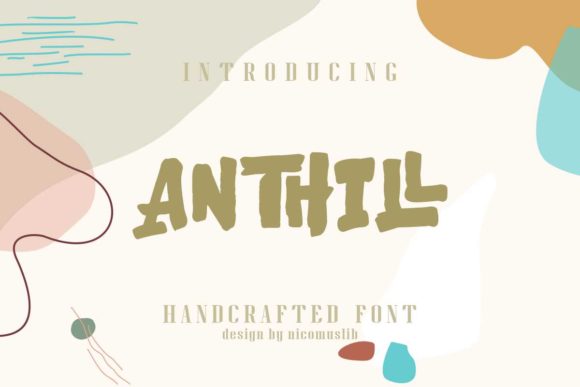
When selecting a typeface for editorial work, the goal is to balance visual impact with readability. Anthill, a distinctive display font, offers a strong personality that works especially well in layouts where hierarchy and tone matter. Whether designing a digital magazine, crafting a quote graphic, or setting the title of a downloadable guide, Anthill brings a sense of confidence and clarity to the page.
Anthill is not a font for long blocks of body text. Its design is intentionally expressive, with clean lines, structured weight, and a modern edge that makes it ideal for headings, cover text, and accent typography. The font’s character spacing and contrast help it stand out without overwhelming the surrounding content. It’s a smart choice for editorial designers who want to maintain a cohesive visual identity across digital and print formats.
Using Anthill in Blog Headers and Article Layouts
Blog headers are often the first visual element a reader sees. Choosing the right font can make the difference between a forgettable layout and one that captures attention. Anthill works well in blog headers due to its bold presence and editorial clarity. It’s especially effective when used in combination with a clean sans serif or a classic serif font for body text, creating a strong visual contrast that guides the reader through the page.
For article layouts, consider using Anthill in section headings or pull quotes. These elements break up long-form content and provide visual anchors. Because of its structured design, Anthill maintains legibility even when scaled down slightly, making it versatile for digital publishing where space is limited.
Magazine Covers and Ebook Titles with Anthill
In the world of digital publishing, first impressions matter. Anthill’s bold, structured letterforms make it a natural fit for magazine covers and ebook titles. Whether designing a lifestyle magazine or a recipe ebook, Anthill adds a modern editorial tone that signals quality and intentionality.
Its strong presence also translates well to print. When exporting a PDF or preparing a printable guide, Anthill holds its shape without becoming pixelated or losing clarity. This makes it a reliable choice for content creators who distribute printables, workbooks, or branded guides as part of their digital offerings.
Newsletter Graphics and Quote Layouts
Email newsletters and social media graphics benefit from a strong typographic voice. Anthill can be used effectively in newsletter headers, branded quote layouts, and promotional banners. Because of its structured design, it pairs well with minimalistic layouts, allowing the message to remain the focal point.
For quote layouts, especially those shared on platforms like Instagram or Pinterest, Anthill adds a polished editorial look. Its letterforms are designed to be impactful yet readable, which is essential when crafting visuals that need to communicate quickly and clearly.
Font Pairing for Editorial Design
One of the strengths of Anthill is how well it pairs with other fonts. Since it’s a display font, it works best when used sparingly and contrasted with more neutral typefaces. For body text, pairing Anthill with a serif font like Georgia or a clean sans serif like Open Sans creates a balanced, reader-friendly layout.
In magazine design or digital publications, using Anthill for headlines and a more traditional font for captions or navigation elements helps establish a clear visual hierarchy. This approach supports both design aesthetics and functional readability, especially on screen or in mobile layouts.
Readability Across Formats
While Anthill is primarily a display font, its readability holds up well in various formats. On screen, its defined letterforms remain legible even at smaller sizes, especially when used with sufficient spacing and contrast. In mobile layouts, where space is limited, Anthill can be scaled appropriately without losing its visual appeal.
For print, the font’s crisp edges and consistent weight ensure that it reproduces well in both digital and physical formats. Whether used in a printed planner or a downloadable worksheet, Anthill maintains its character across mediums, making it a versatile asset in a content creator’s toolkit.
Practical Applications in Digital Content
Anthill shines in a variety of real-world publishing scenarios. A wedding planning guide might use it for chapter openers and cover titles, while a coaching workbook could feature it in section headings and branded quote boxes. Digital magazines and creator newsletters benefit from its editorial tone, helping establish a consistent brand voice across issues and platforms.
For creators offering lead magnets, printable planners, or course materials, Anthill adds a professional, intentional design touch. It supports brand identity while remaining versatile enough to work across different types of content—from lifestyle blogs to business templates.
Checking Font Features and Licensing
Before integrating Anthill into your editorial projects, it’s worth reviewing the font’s included styles, ligatures, and character sets. Many modern display fonts come with alternates and extended language support, making them suitable for international audiences and multilingual content.
Additionally, check the licensing terms. For commercial use in ebooks, templates, printables, and paid newsletters, ensure the font is properly licensed. Most premium fonts include commercial licenses, but it’s always good practice to confirm usage rights, especially when distributing content for profit or at scale.
Final Considerations for Using Anthill
Anthill is more than just a font—it’s a design tool that supports visual storytelling and brand consistency. Whether used in a digital magazine, a blog post header, or a downloadable worksheet, it brings a strong editorial presence that enhances both design and reader engagement. Its structured yet expressive design makes it a valuable asset for bloggers, publishers, and content creators who understand the power of thoughtful typography.